
Basic Modern Communication Support
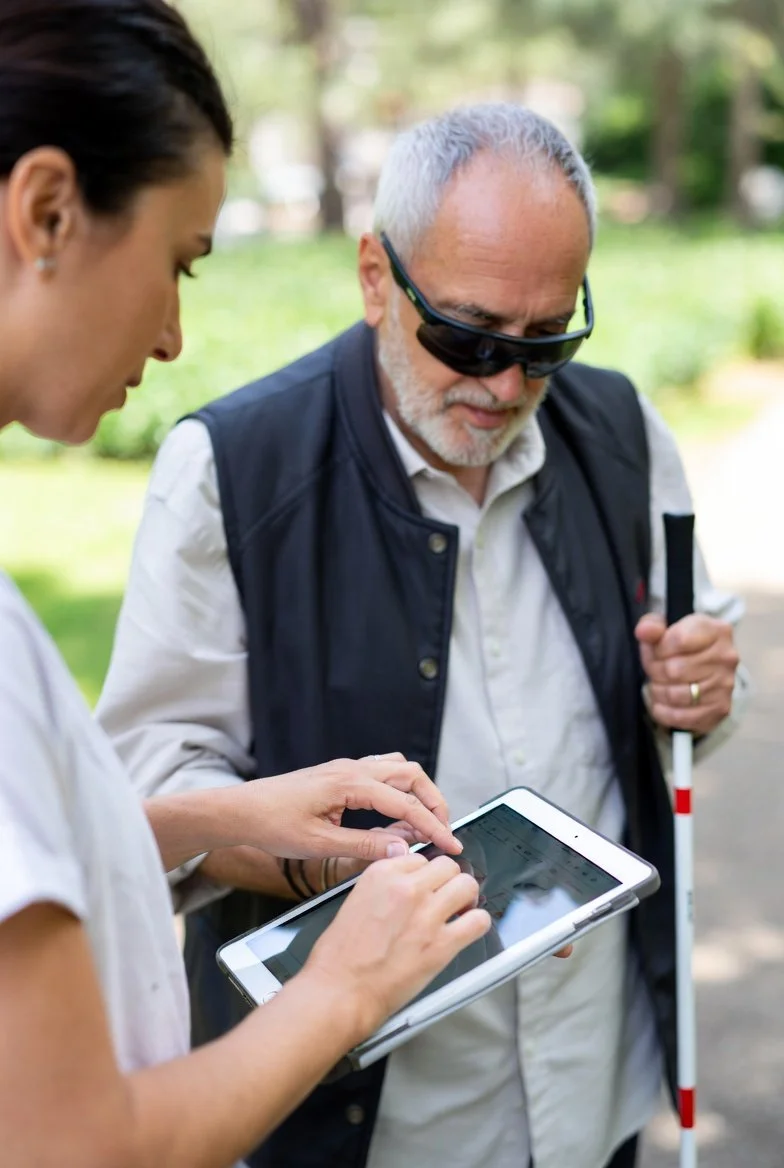
The User Experience Therapist™ approach to Customise Communication Environment Phone, Devices & Tablet for a Special Needs using Ecothesis™ and Orchestration to Outcomes™ Frameworks.
Many people at first glance assume my work involves “general IT help.” This is not the case.
My work is a specialised, structured communication support discipline grounded in three trademarked methodologies: User Experience Therapist™ (UXT), Ecothesis™, and Orchestration to Outcomes™(O2O). These approaches have been developed specifically for people with disabilities who rely on everyday digital tools—phones, tablets, and smart devices—to communicate, plan, participate, and manage their routines.
CRITICAL CONTEXT: RISK MITIGATION & SUPPORT WORKER CAPACITY
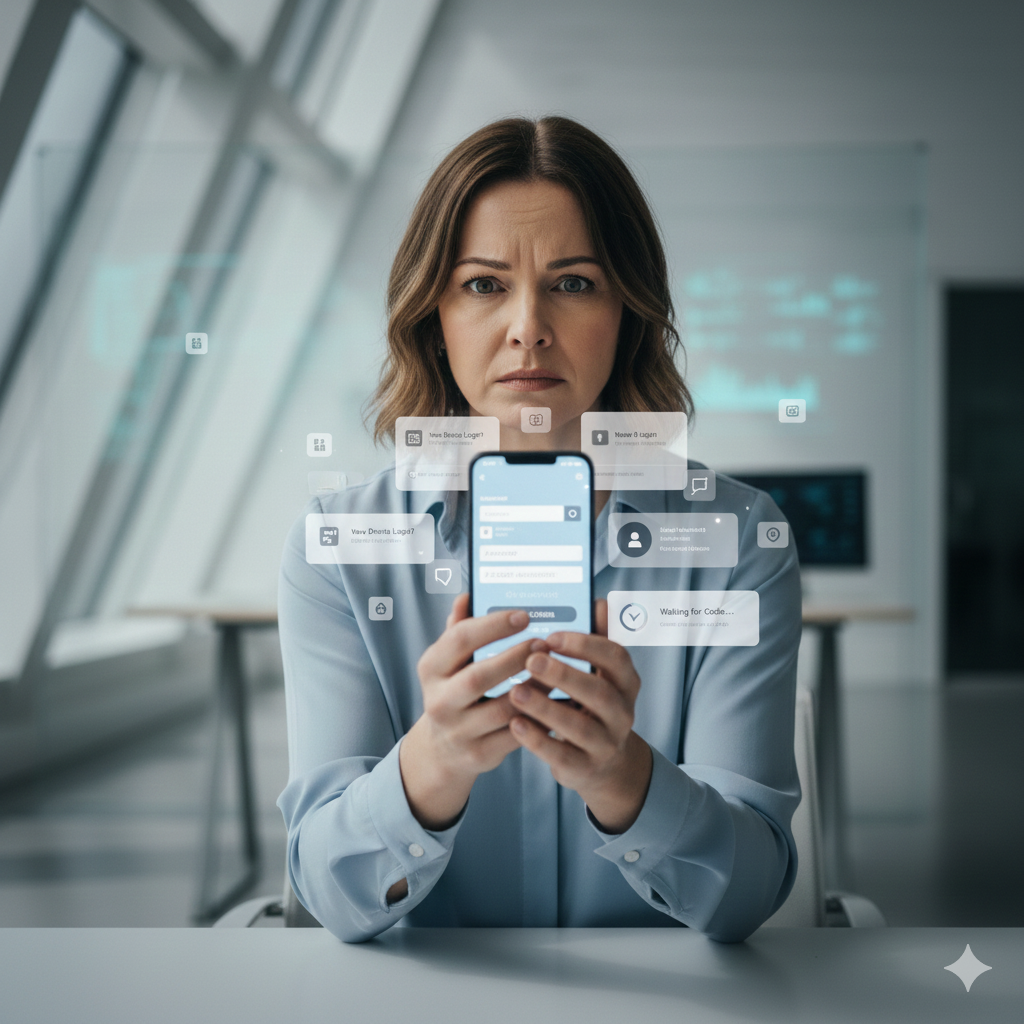
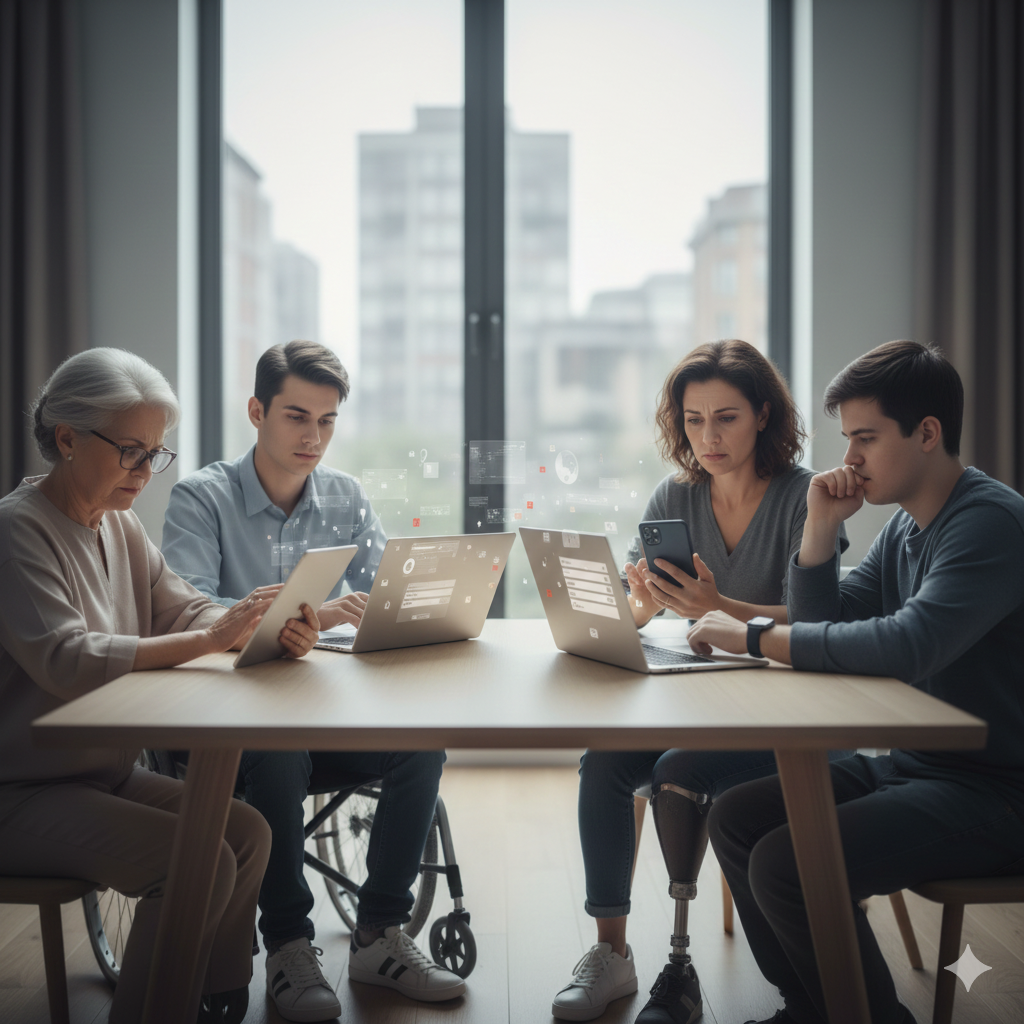
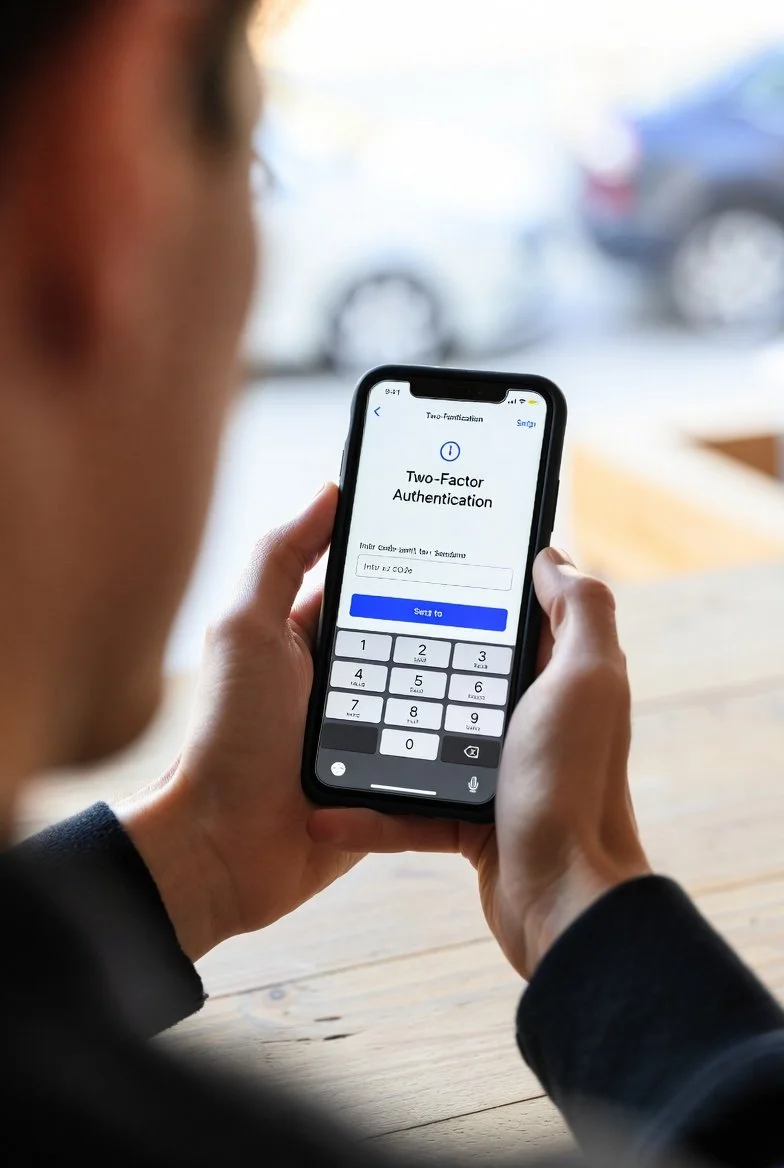
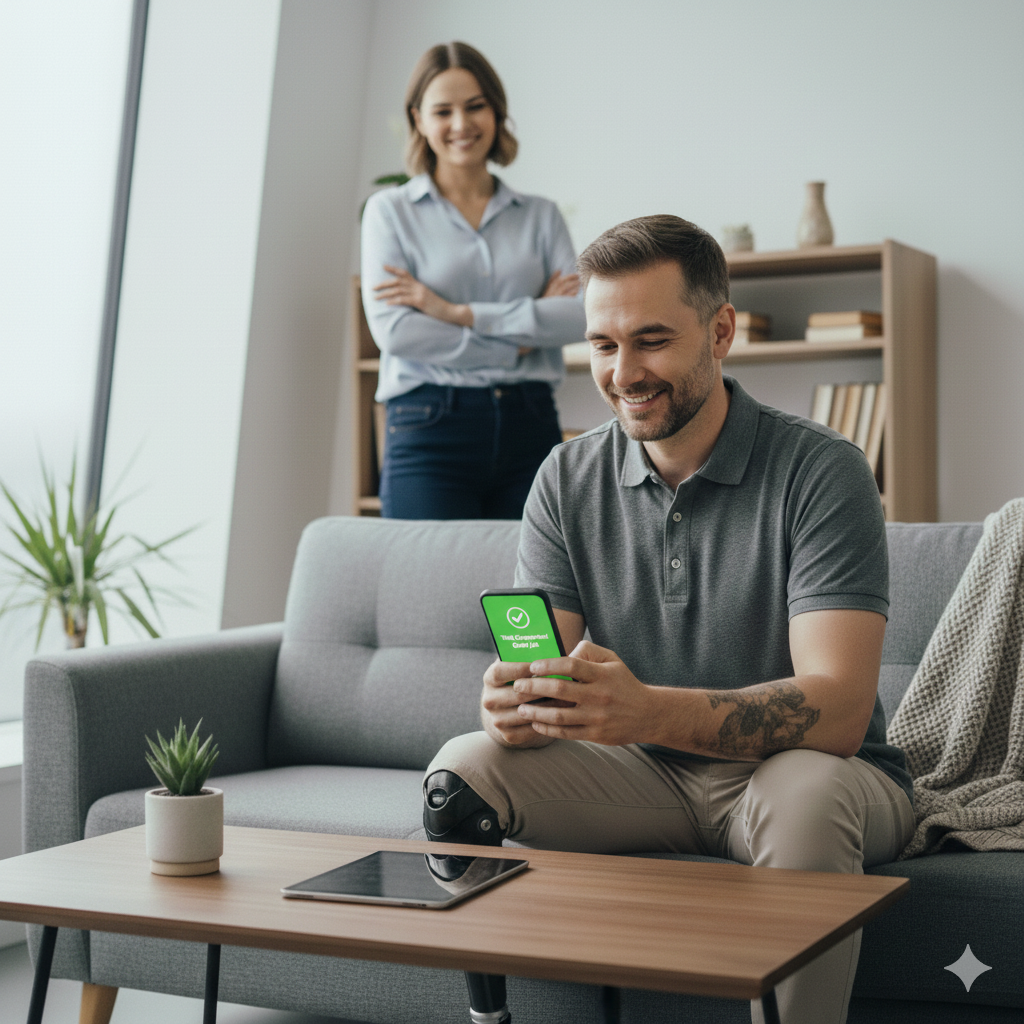
The rapid shift to digital communication creates a complex risk problem for the entire care ecosystem. Carers and support workers are increasingly requested to assist participants with sensitive communication activities involving complex account structures, privacy, and security requirements (e.g., two-factor authentication, portal access, password resets, management, cloud structures).
Due to the inherent complexity of these ever-changing systems, support staff often lack the specific skills or professional indemnity insurance required to manage incorrectly configured systems or troubleshoot technical security errors. This places the participant, the support worker, and the organisation at unnecessary risk. My specialized configurations mitigate this risk by ensuring the digital environment is professionally simplified, secured, and established with predictable protocols that align with basic support worker training.
This page explains:
the necessary risk mitigation provided by specialized configurations,
the profound shift in what "communication" means today,
how my work aligns exactly with AT Level 1 – Basic Assistive Technology,
how my methods differ fundamentally from general IT services,
why these human-centred frameworks exist, and
how they support participants, support workers, families, and allied health professionals (OTs, Support Coordinators).
1. The Digital Burden: Communication Failure in the Modern World
Modern society has redefined communication—not as a simple conversation, but as a complex, multi-step digital task. For many participants, the simple communication of the past is no longer directly available, necessitating structured support.

The Old Model: Communication as a Conversation
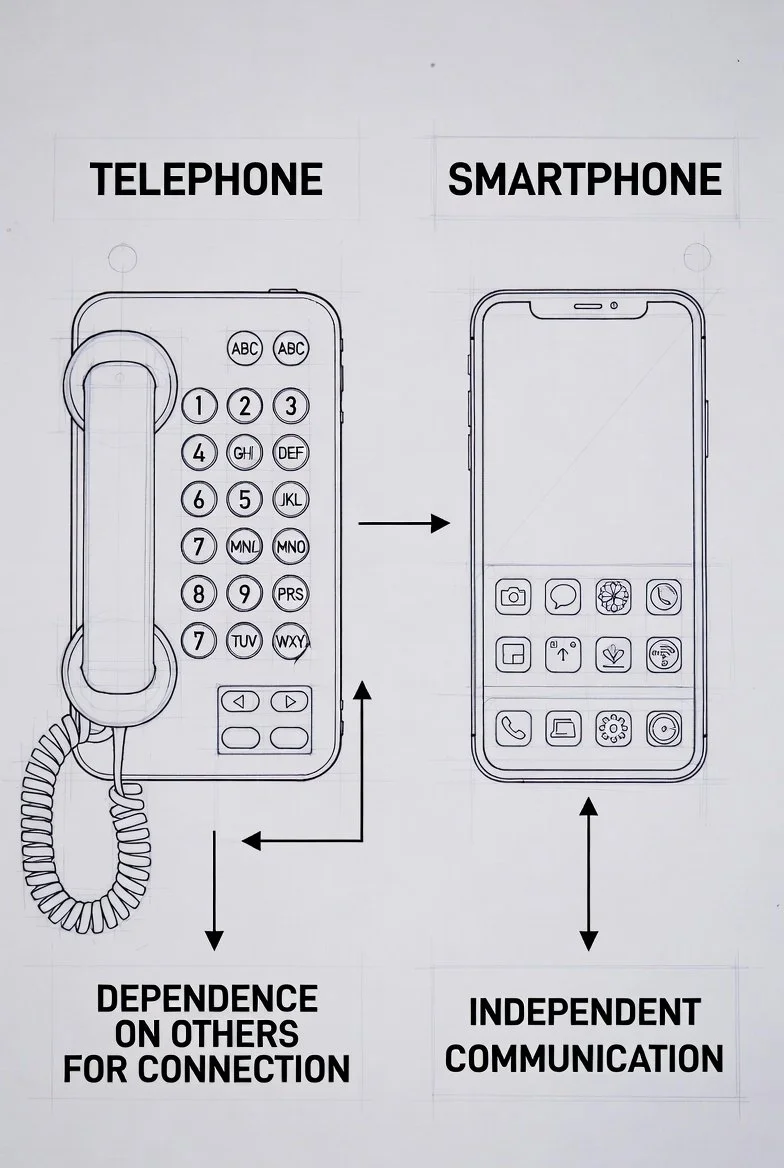
Historically, communication meant direct interaction. A single conversation established clarity, certainty, and completion.
Characteristics: Single channel (phone), Human-led, Low cognitive load.
Outcome: Communication = exchange of meaning + completion of action.
The Modern Model: Communication as a Digital Burden
Today, most essential life tasks are routed through systems, not people. To communicate with government, banks, or services, individuals are immediately redirected back to: the app, an online form, a portal, a multi-step verification loop, or a document upload process. The communicative act is now task navigation, not meaning exchange. For people with cognitive, memory, literacy, or motor challenges, this is not communication—is obstruction.
Characteristics: Multi-channel, System-led, High cognitive load.
Outcome: Communication = navigating a technical process just to convey basic information.
The Consequence: Communication Failure Disguised as “Self-Service”
Organisations label this shift as “self-service,” but the result for many participants is communication breakdown, emotional overwhelm, and a resulting loss of autonomy. The system has offloaded its administrative tasks onto the individual, requiring the support worker or carer to step in and assist in navigating this complex pathway.
The Professional Implication:
Communication now includes the ability to navigate, configure, and operate the digital pathways required to communicate. You are not "doing IT"; you are restoring a person’s ability to communicate with essential systems. This modern definition of communication now includes:
Managing logins and identity credentials.
Operating portals and apps.
Ensuring correct notifications and reminders.
Integrating platforms so people don't miss critical updates. If someone cannot operate the communication pathway, they cannot communicate—period.
2. My Professional Role: User Experience Therapist (UXT)
User Experience Therapist is my non-clinical role description and trademarked methodology for helping people achieve independence and stability in their daily communication using mainstream digital tools.
Unlike IT technicians who focus solely on hardware, updates, and device performance, my focus is on the human experience of interacting with those devices and the resulting communication capacity required to manage the digital burden. A User Experience Therapist is a non-clinical specialist focused on:
Simplifying digital environments for clarity and predictability.
Aligning technology setup with a participant’s communication capacity and cognitive load.
Creating stable digital foundations that support therapeutic goals.
Observing behavioural patterns, not technical faults.
Designing environments support workers can follow consistently.
Stabilising communication routines across changing staff and handover periods.
Supporting, but not replacing, clinical professionals (OTs, SLPs).
This role sits firmly within Level 1 Basic AT communication support: non-clinical, everyday technology used for daily living and independence. My scope is communication purpose, not technical performance.
3. Ecothesis™ – Communication and Environmental Control Framework
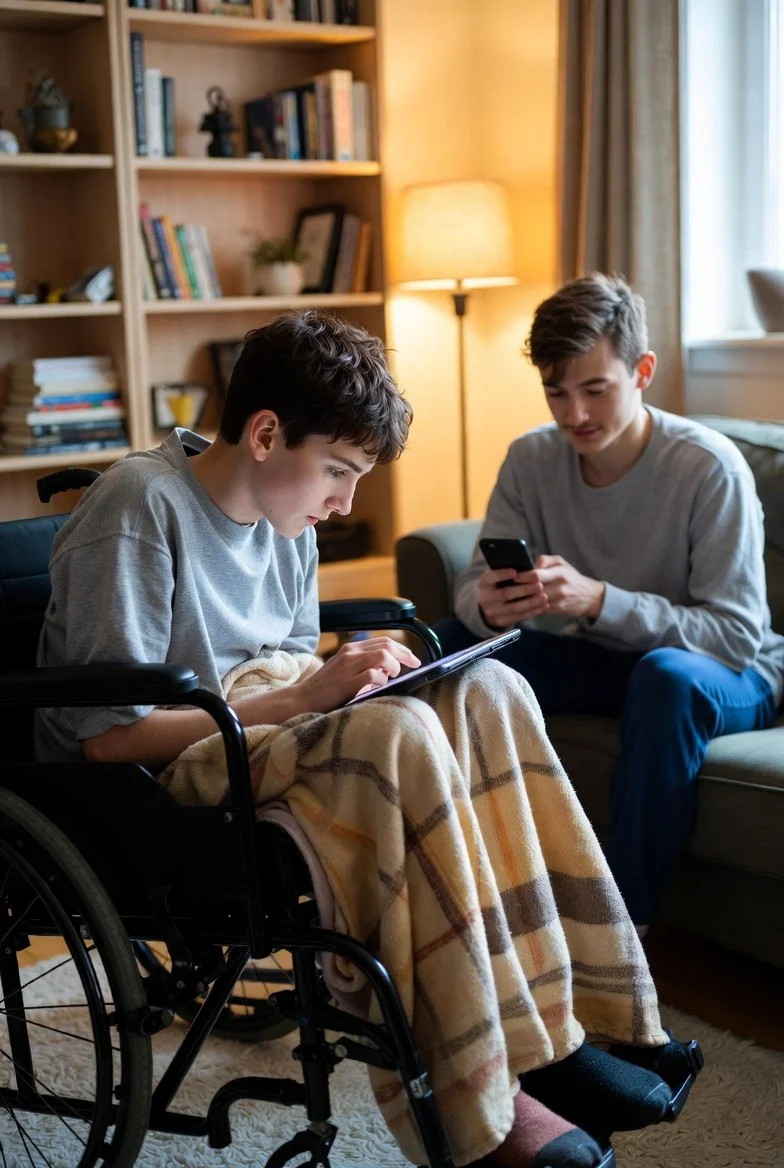
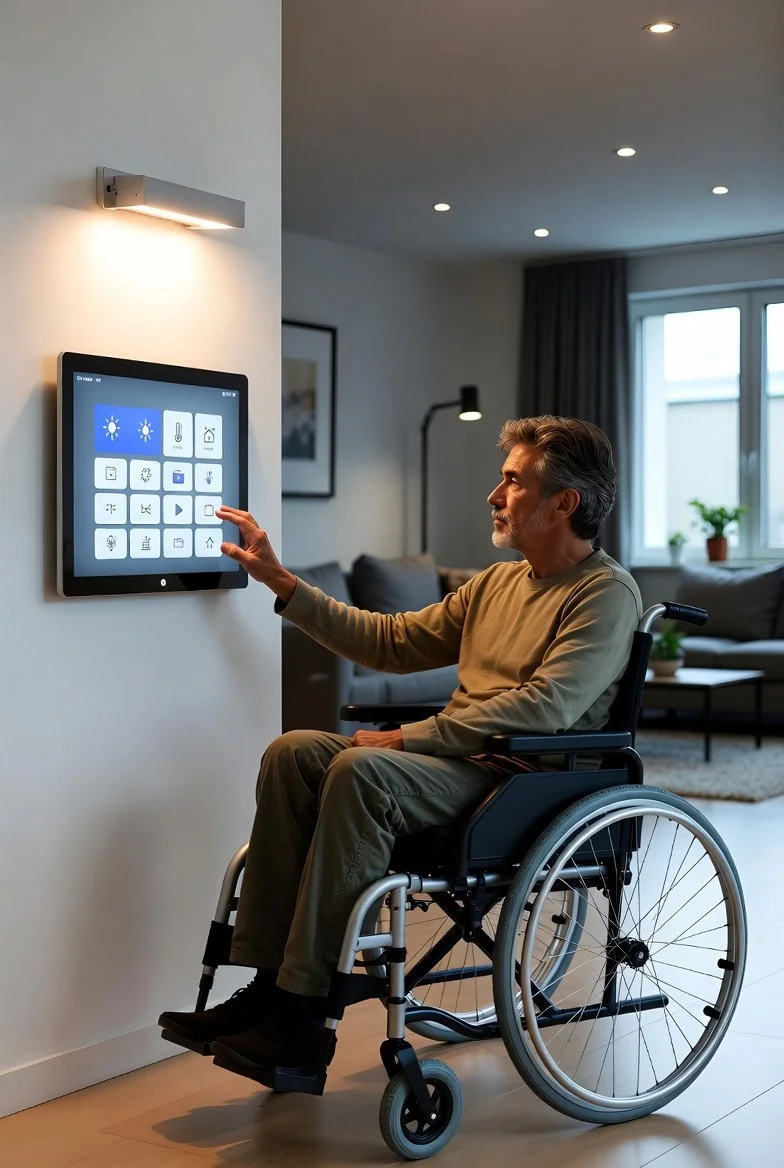
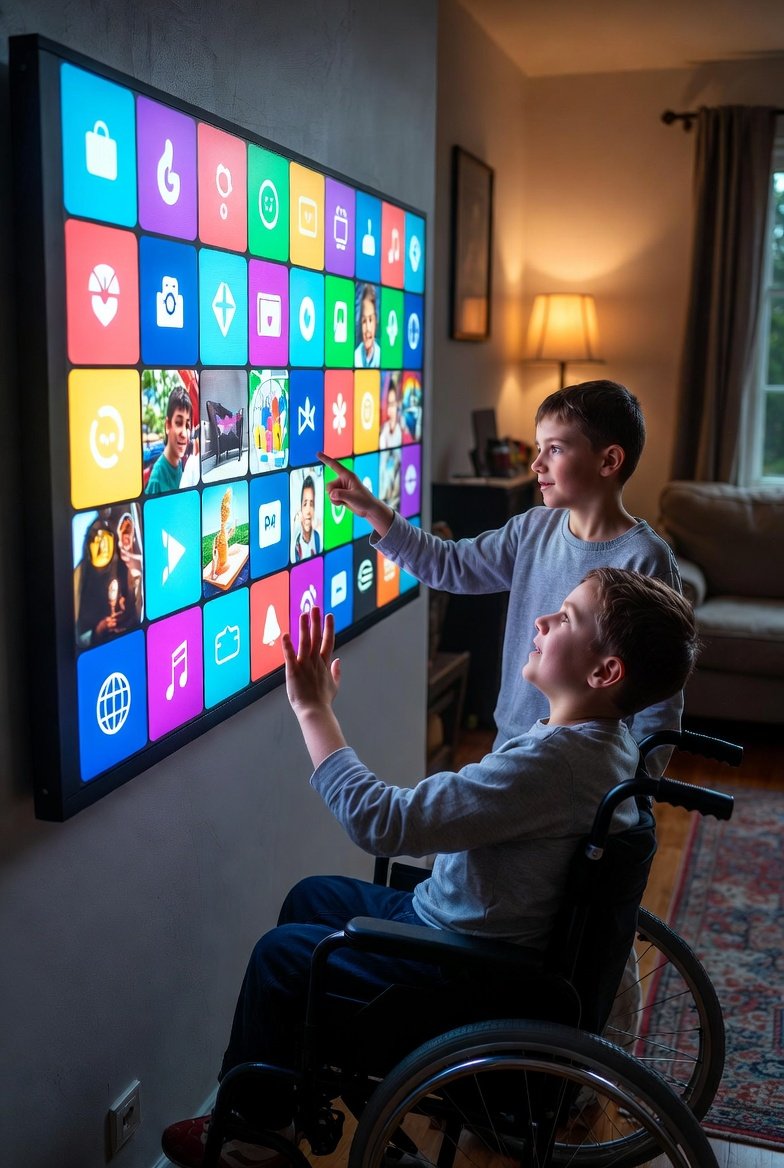
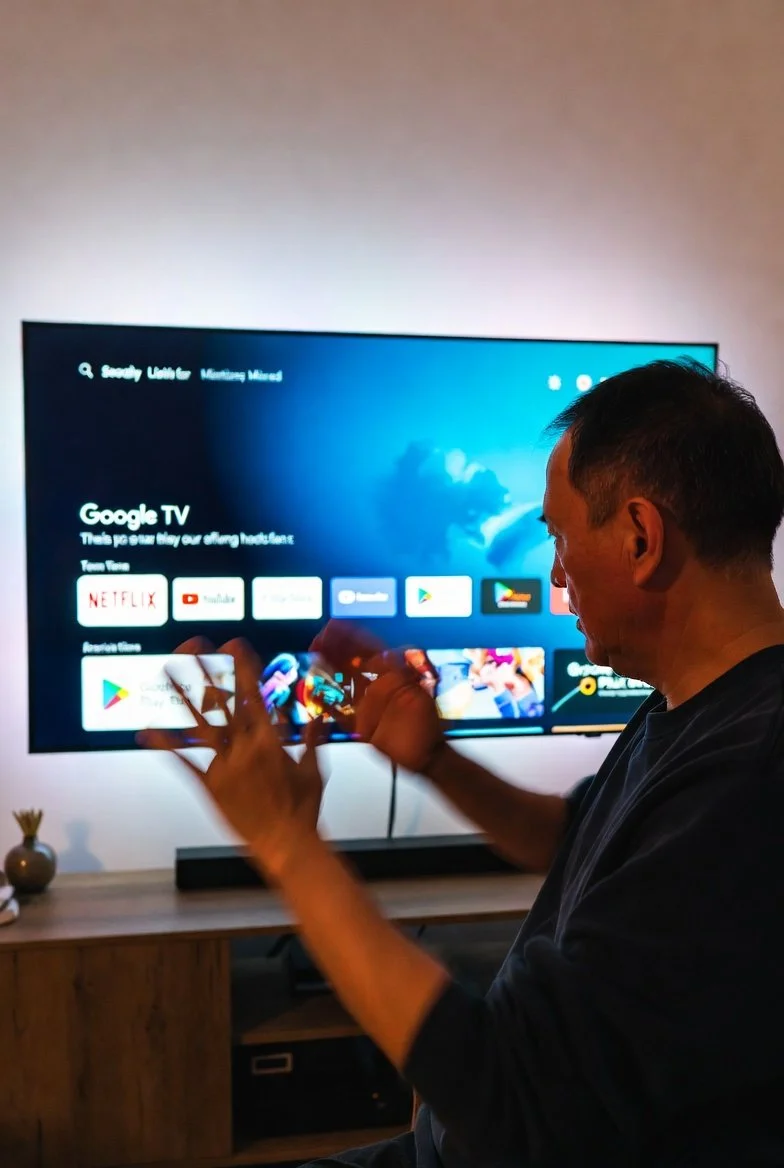
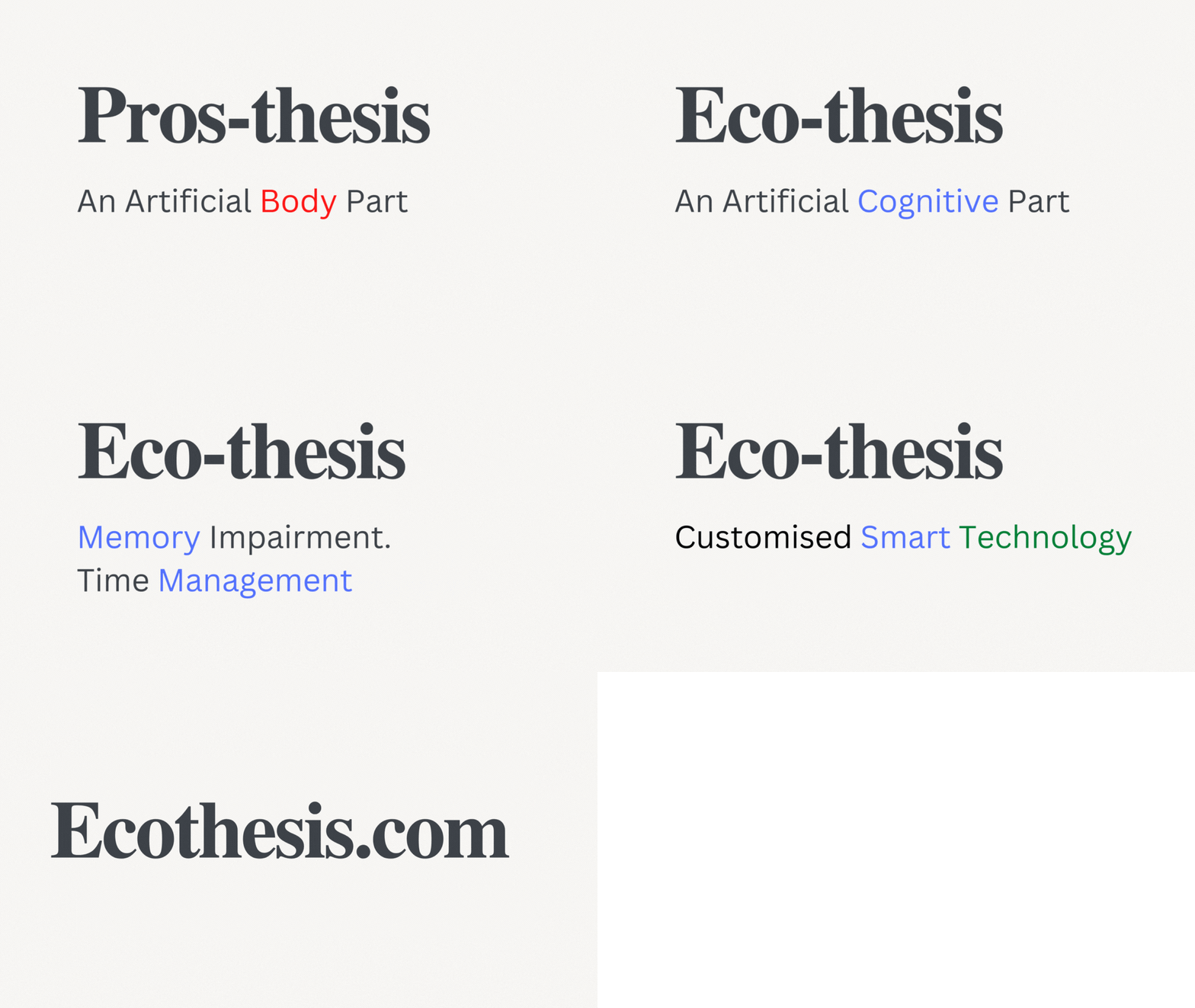
Ecothesis™ is my trademarked framework for designing, simplifying, and stabilising the communication environment, integrating the immediate digital sphere with the physical home environment. The name Ecothesis is derived from the Greek: Eco (oikos) meaning Home, and Thesis meaning To Put or Place. The purpose of the framework is to ‘Put Independence into the Home’ by integrating smart devices and voice control to match the capacity of the client. Most participants do not struggle with intelligence or ability — they struggle with inconsistent, cluttered, or constantly changing technology environments that undermine their confidence and independence.
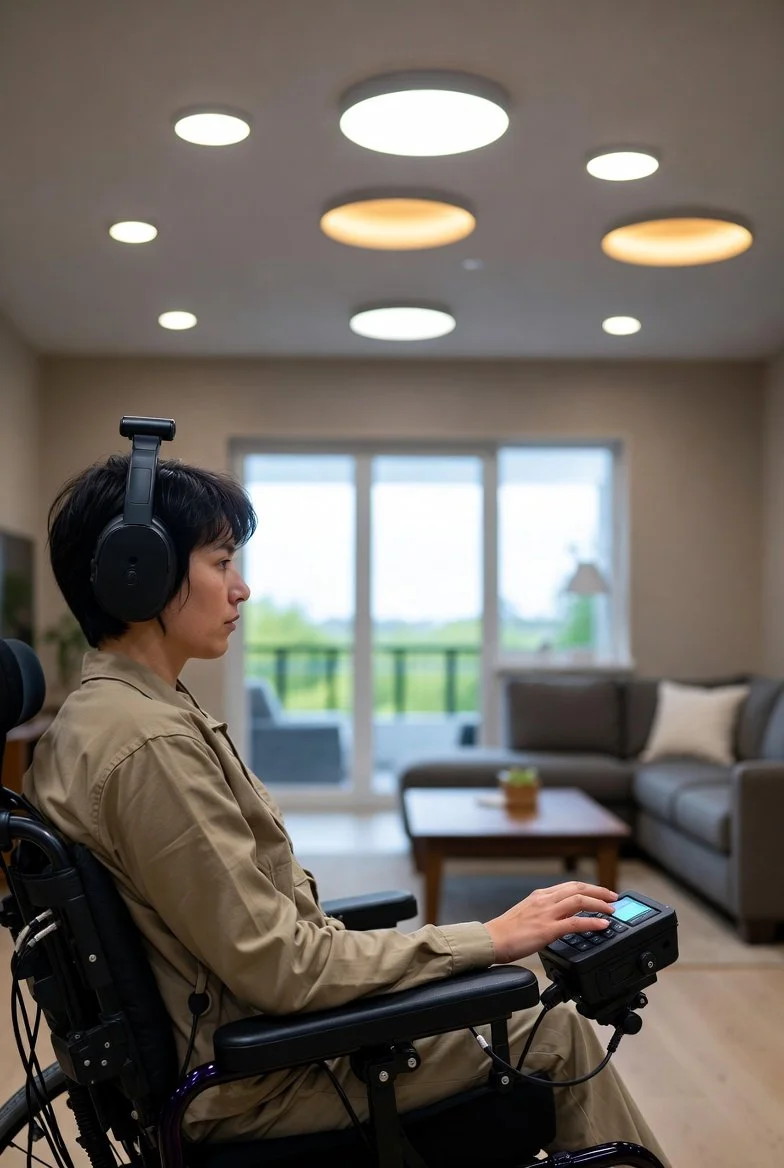
The Outcome: Mitigated Physical Risk and Enhanced Autonomy. Ecothesis transforms everyday devices, including smart home systems, into a stable, predictable communication and control environment. By routing essential tasks through voice control, it significantly reduces strenuous movements (like turning off lights or adjusting fans), thereby minimizing the incidence of falls and maximizing physical independence. This is not technical support. It is environmental communication design and integrated safety planning.
Ecothesis™ is built around four pillars of human-centered digital environment design:
Simplicity: Reducing clutter, duplicate apps, unnecessary prompts, and overwhelming interfaces to manage cognitive load.
Safety and Control Integration: Enabling voice control for essential environmental factors (lighting, air conditioning, fans) and routine tasks (asking for weather, time, news). This ensures control is achieved with minimal physical movement.
Data Alignment and Monitoring: Integrating mainstream smart devices (like smartwatches or movement sensors) to provide real-time alerts to carers regarding critical changes (e.g., heart rate, temperature, or unusual movement patterns). This data is incorporated into the overall measurement model of the client’s support plan.
Predictability for Support Teams: Providing support workers with clear, repeatable instructions so the setup stays stable and isn’t accidentally altered or broken during shift changes.
4. Orchestration to Outcomes™ – Assessment and Planning Method
Orchestration to Outcomes™ is my trademarked method for identifying communication barriers, mapping capacity, simplifying daily routines, and coordinating support teams and allied health professionals toward a common digital goal. Where Ecothesis™ focuses on designing the environment, Orchestration to Outcomes™ focuses on understanding the person, the team, and the workflow around them.
This framework maps:
The participant’s communication goals and digital strengths.
The behaviours or routines that break down communication (e.g., missed reminders).
How staff currently interact with devices and where mixed messages occur.
How appointments, reminders, and messaging currently fail. The purpose is to ensure that any device configuration change serves a clear, measurable communication outcome, not simply cleaning up devices.
Common Outcomes Include:
Fewer missed appointments.
Reduced support time wasted on repetitive digital tasks.
Calmer, more predictable routines.
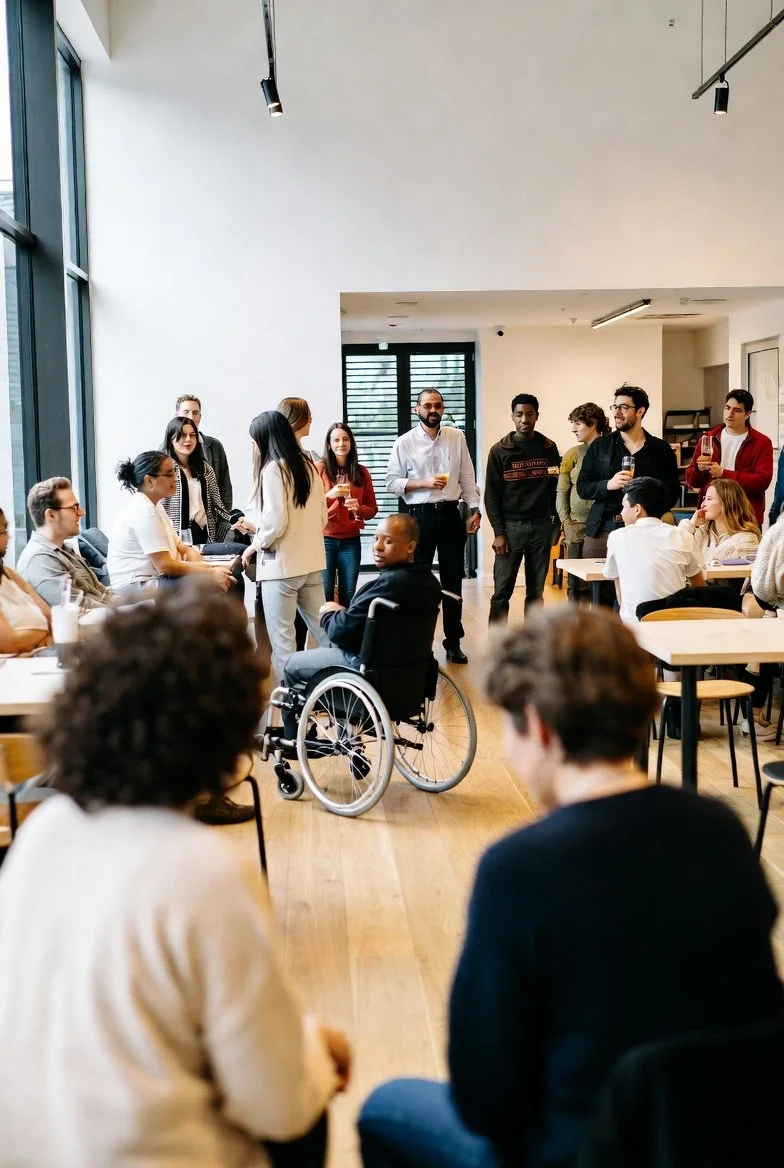
Better coordination among all support staff.
A participant who feels capable and more independent. This methodology cannot be reproduced by general IT services because it is human-centred and focuses on communication capacity, not device performance.
5. Why This Work Fits Under AT Complexity Level 1
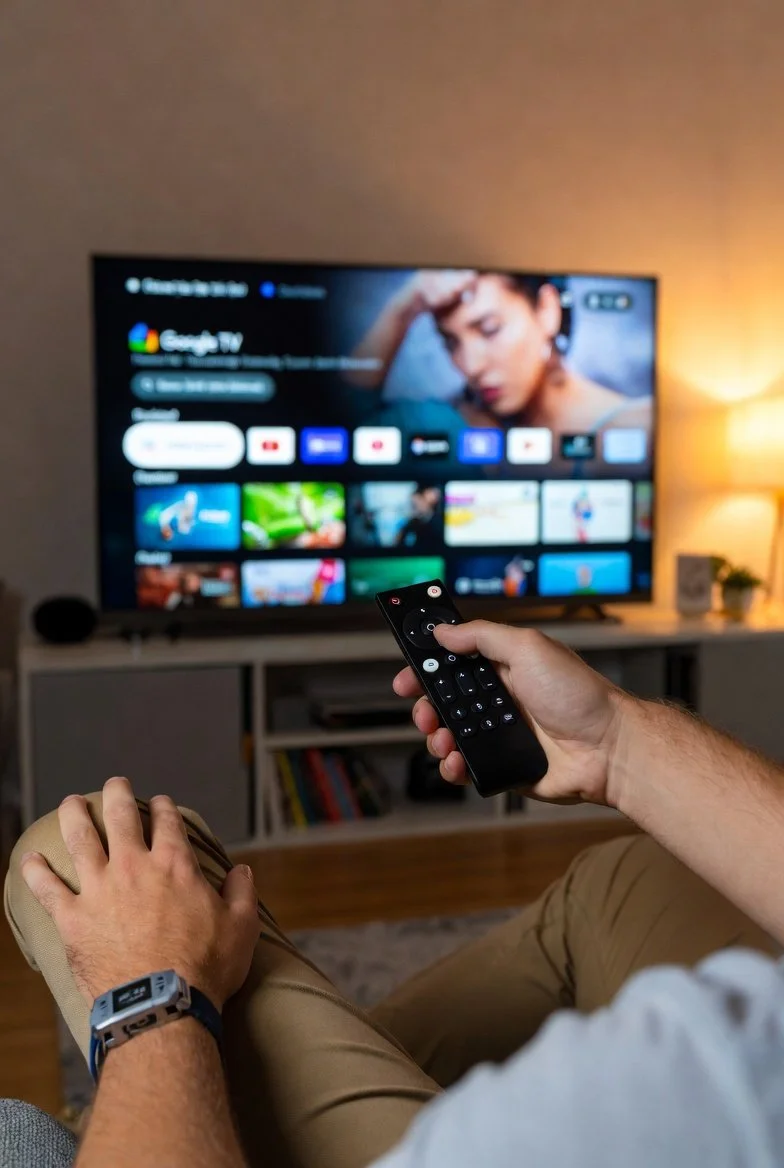
Level 1 Basic AT is defined as: “Everyday items that assist a person with communication, daily activities, safety, or independence — and can be set up by the participant, a support worker, or a family member.” My work aligns exactly with this category by providing Basic AT Communication Support:
I support participants with:
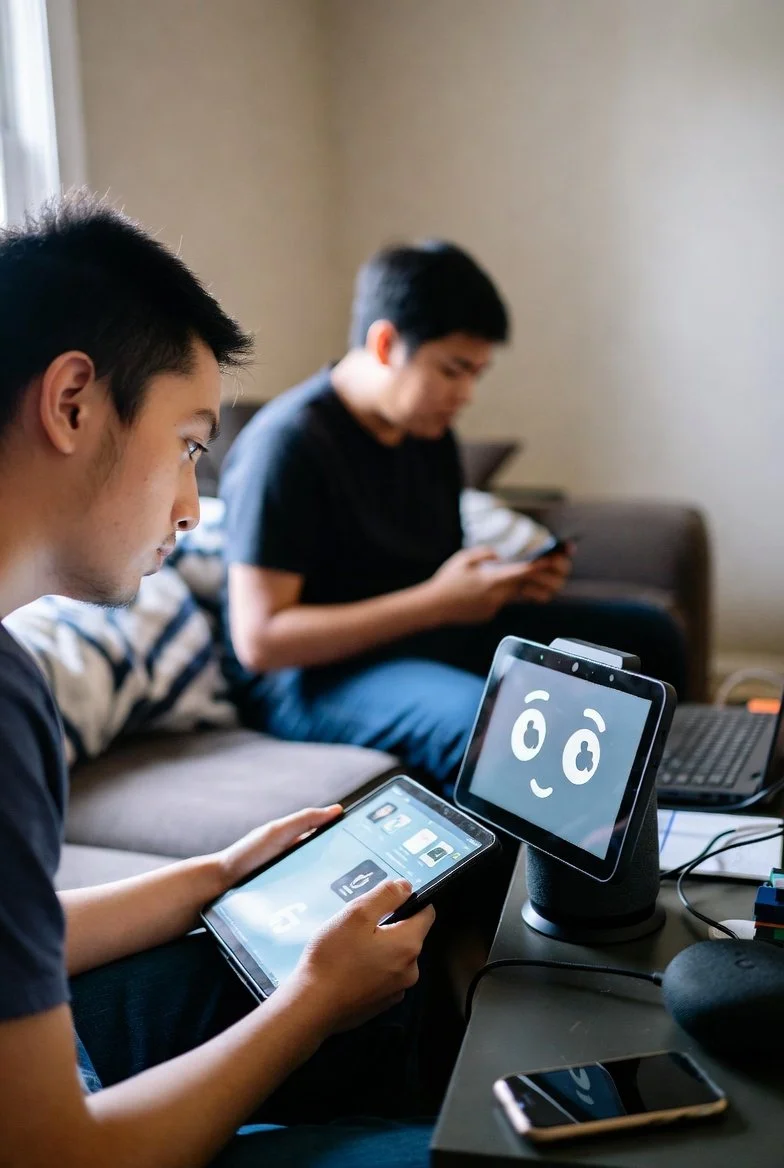
Using their phone, tablet, or smart speaker for communication.
Managing calendars, messaging, and reminders for daily routines.
Simplifying interfaces to reduce overwhelm and cognitive load.
Maintaining consistency in setup when support staff change.
I do not support:
Device repairs or hardware maintenance.
Business or enterprise IT networks.
High-risk, restricted, or medical AT prescriptions.
Engineering, programming, or server installation.
Everything I do involves basic, everyday mainstream Assistive Technology used for communication and daily living, delivered through structured, repeatable frameworks.
6. How This Differs From General IT Support
Support coordinators, families and OTs often state: “This looks like IT, but it’s not IT.” This is the fundamental difference:I support participants with:
IT fixes machines. I stabilise communication environments. This difference is why my work is classified under Level 1 Basic AT, not IT services.
General IT Support
Core Purpose: Fixing machines, hardware, and network connectivity.
Focus: Technical performance and software updates.
Outcome: A working device.
Applicable NDIS: N/A (General Business Expense).
Staff Focus: Basic device repair or troubleshooting.
User Experience Therapist + Frameworks
Core Purpose: Stabilizing communication capacity and daily routines.
Focus: Cognitive load, predictability, and human experience.
Outcome: Independent communication and reduced confusion.
Applicable: Level 1 Basic AT (Communication/Daily Living).
Staff Focus: Protocol adherence to prevent setup breakdowns.
7. Why Professionals Request This Support
OTs, support coordinators, carers and other support workers commonly refer participants to me because communication breakdowns often have little to do with core behaviour or capacity, and far more to do with the digital environment friction, specifically the Digital Burden outlined in Section 1:
Inconsistent digital routines.
Confusing interfaces and cluttered home screens.
Sudden changes made accidentally by different staff.
Mismatched reminders or notifications on different devices.
Fatigue caused by digital decision overload.
When these environmental layers are cleaned up and stabilised, participants:
Communicate more independently.
Follow routines with less stress.
Rely less on staff for basic digital tasks.
Experience fewer behavioural escalations.
Feel more in control of their day. Ecothesis™ and Orchestration to Outcomes™ create the stable, predictable foundation that successful therapeutic plans depend on. Allowing professionals to suggest software and plug and play off the shelf technology for the benefit of the client.
8. Summary of Trademarked Frameworks
OTs, support coordinators, carers and other support workers commonly refer participants to me because communication breakdowns often have little to do with core behaviour or capacity, and far more to do with the digital environment friction, specifically the Digital Burden outlined in Section 1:
Inconsistent digital routines.
Confusing interfaces and cluttered home screens.
Sudden changes made accidentally by different staff.
Mismatched reminders or notifications on different devices.
Fatigue caused by digital decision overload.
When these environmental layers are cleaned up and stabilised, participants:
Communicate more independently.
Follow routines with less stress.
Rely less on staff for basic digital tasks.
Experience fewer behavioural escalations.
Feel more in control of their day. Ecothesis™ and Orchestration to Outcomes™ create the stable, predictable foundation that successful therapeutic plans depend on. Allowing professionals to suggest software and plug and play off the shelf technology for the benefit of the client.
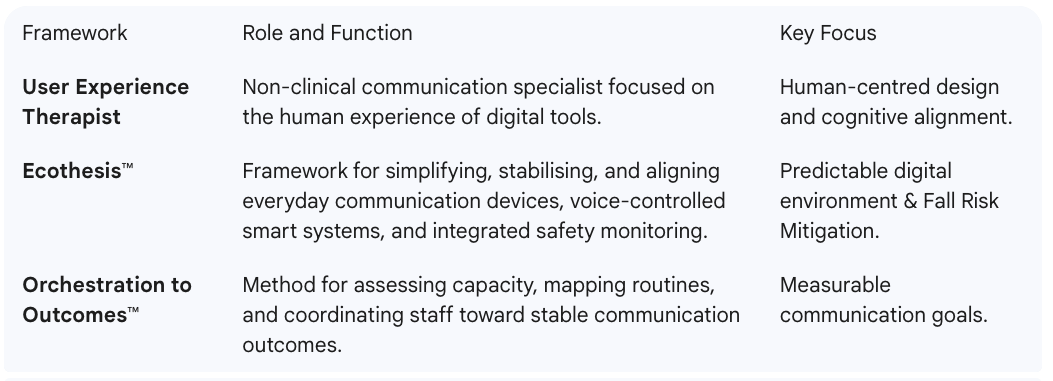
User Experience Therapist
Role and Function: Non-clinical communication specialist focused on the human experience of digital tools.
Key Focus: Human-centred design and cognitive alignment.
Ecothesis™
Role and Function: Framework for simplifying, stabilising, and aligning everyday communication devices, voice-controlled smart systems, and integrated safety monitoring.
Key Focus: Predictable digital environment & Fall Risk Mitigation.
Orchestration to Outcomes™
Role and Function: Method for assessing capacity, mapping routines, and coordinating staff toward stable communication outcomes.
Key Focus: Measurable communication goals.

Mack’s Journey of Voice Command
“Mack’s Journey: Voice-Activated Home” is loosely based on a real-life client, with some embellishments to enhance the story and protect the client’s identity. This narrative focuses on Mack, a paraplegic individual, and how properly configured smart home technology, particularly Siri, transformed his day-to-day life.
The goal of this book is to tell an easy-to-understand, engaging story that highlights the profound impact technology can have on the lives of individuals with disabilities. By walking readers through Mack’s experiences, the book shows how voice-activated home automation can provide independence, improve health, and reduce stress by simplifying daily tasks.
This book isn’t just about tech; it’s about empowering people to reclaim their autonomy through technology. The journey of configuring a smart home may sound technical, but this story simplifies the process, making it accessible and relatable to readers who may feel overwhelmed by tech.
Purpose:
The purpose is to inspire and inform support coordinators, caregivers, and individuals with similar challenges about the potential benefits of properly configured and onboarded technology. The real-life context offers a glimpse of what’s possible, aiming to encourage others to explore smart home solutions for greater independence and improved quality of life.
In Home Services Menu - Configuring the whole home environment:
Ecothesis(TM) -The Complete Service.
Progressive Neurological Conditions Comms Service Menu
Customised Communication & Independence Strategies
🌐 Smart Home & Voice Control
Voice assistants (Google, Alexa, Siri) for hands-free control of lights, appliances, and climate.
Smart plugs, lights & switches to reduce manual handling, improve hygiene outcomes.
Automated routines for daily structure (e.g. “Good Morning” → lights on, news, medication list).
💬 Communication & Social Support
Video calling and messaging on tablets/smart displays.
Speech-to-text / text-to-speech tools for fatigue or speech decline.
AAC (augmentative & alternative communication) apps configured for progression.
Paper-based fallback (email-to-print, cloud-to-print) for accessibility.
🤖 Customised AI Communication Services (new)
AI-powered conversational support to help participants express themselves more clearly, even with fatigue or speech changes.
Personalised reminders and prompts generated by AI, adapting to daily routines and health changes.
Context-aware communication aids (e.g. AI can summarise a message into simpler words or expand short speech into full sentences).
Multilingual and accessible translation to support participants and families from diverse backgrounds.
Learning-based customisation: AI systems adapt to participant’s voice patterns, preferred phrases, and specific needs over time.
Benefit: AI extends traditional voice assistants and AAC tools by making communication more personalised, adaptive, and intuitive.
🏠 Accessibility & Environmental Control
Smart locks, door openers, and video doorbells for independence and monitoring.
Voice-activated blinds and thermostats for energy-efficient comfort.
Managed Wi-Fi and device monitoring with SMS alerts if systems disconnect.
🩺 Health & Wellness
Telehealth stations for online healthcare and therapy. Access and configuration.
Medication and appointment reminders via assistants.
Wearables and smart sensors to track fatigue, mobility, or falls.
Emergency alerts linked directly to carers.
🔐 Cloud & Identity Management
Secure cloud accounts across devices.
Biometric logins for simple access.
Password management with delegated carer/family access.
Two-factor authentication adapted for client capacity.
🤝 Stakeholder Integration & Community Efficiency
Work closely with support coordinators, therapists, carers, and family to align ICT with participant goals.
Configure shared communication platforms so all stakeholders can deliver consistent updates and reminders.
Use remote monitoring & alerts to reduce duplication (e.g. fewer unnecessary home visits).
Provide training and documentation so staff turnover doesn’t disrupt care routines.
Ensure all stakeholders can access the same system, creating a shared hub for communication.
Benefit: Improves participant outcomes and lifts efficiency across the stakeholder community, reducing wasted time and ensuring consistent support.
🔧 Configurations & Considerations
Customisation tailored to disease progression (early → late stage).
Onboarding paced for fatigue and cognitive load.
Managed service subscription for updates, troubleshooting, and stability.
Start Here — The $47 Practical Blog
If you want a clear, real-world explanation of how modern communication support actually works — without theory, fluff, or sales padding — this is the place to start.
This $47 guide breaks down:
what has changed in everyday communication
why people now get stuck, overwhelmed, or locked out of essential services
and how simple, structured setups restore independence and reduce daily stress
It is written for carers, support workers, and coordinators who need practical clarity, not IT jargon.
All my work in the last 5 years I have created a what works blog.
Low cost. High signal. Immediate use.
Click below to access the full guide.